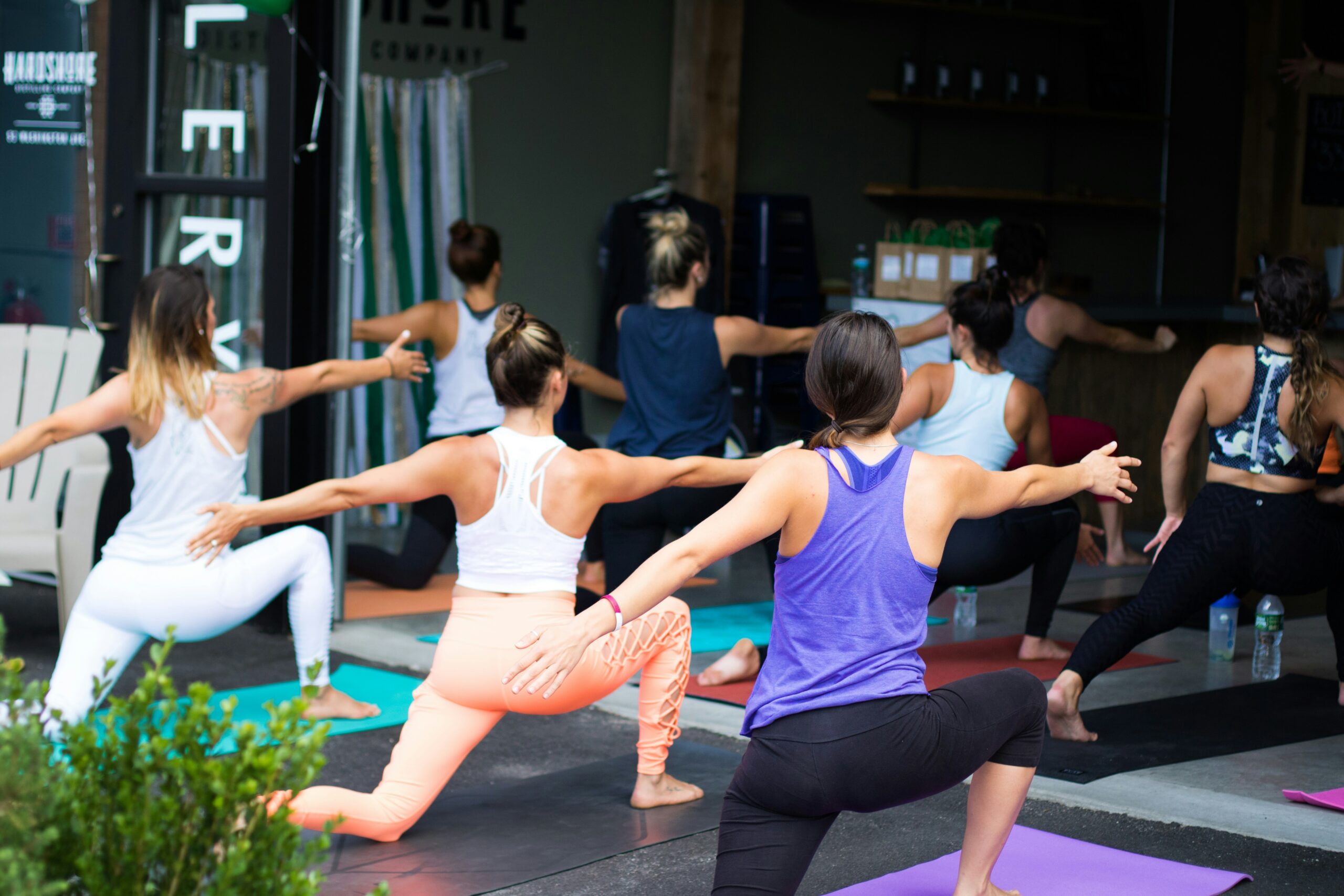
Meditation and yoga have been practiced for thousands of years to improve physical health, mental clarity, and emotional balance. Today, modern computer technology is changing the way people experience these timeless practices. From smart devices and artificial intelligence to virtual reality and mobile applications, technology is making meditation and yoga more accessible, personalized, and effective than ever before.
The combination of traditional mindfulness techniques and advanced digital tools has created a new approach known as tech-enhanced meditation. This innovative blend helps people build healthier habits, reduce stress, and improve overall well-being while fitting into busy lifestyles.
The Rise of Tech-Enhanced Meditation
Technology has become an important part of everyday life, influencing how people work, learn, and relax. Meditation and yoga have also benefited from these advancements. Digital platforms now provide guided meditation sessions, breathing exercises, and yoga classes that can be accessed anytime from a smartphone, tablet, or computer.
This convenience allows beginners to learn at their own pace while giving experienced practitioners access to advanced techniques. As more people look for ways to manage stress and improve mental health, technology continues to make meditation easier to practice regularly.
How Artificial Intelligence Supports Meditation
Artificial intelligence is changing the meditation experience by offering personalized guidance. AI-powered meditation apps analyze user preferences, mood, and progress to recommend sessions that match individual needs.
For example, someone experiencing anxiety may receive calming breathing exercises, while another person looking to improve focus may be guided through concentration-based meditation. This customized approach helps users stay motivated and achieve better results over time.
Artificial intelligence can also provide reminders, track meditation streaks, and offer encouragement, making it easier to build a consistent daily routine.
Wearable Technology and Mindfulness
Wearable devices have become valuable tools for improving meditation and yoga practice. Smartwatches and fitness trackers can monitor heart rate, breathing patterns, sleep quality, and stress levels in real time.
These measurements help users understand how meditation affects their bodies. As people practice mindfulness, they can see improvements in relaxation, heart rate, and recovery. This immediate feedback encourages consistency and provides measurable evidence of progress.
Some advanced wearable devices even detect signs of stress and suggest short meditation sessions before stress levels become overwhelming.
Virtual Reality Creates Immersive Meditation
Virtual reality is bringing a completely new dimension to meditation. Instead of practicing in a noisy environment, users can wear a VR headset and enter peaceful digital spaces filled with calming forests, quiet beaches, gentle waterfalls, or mountain landscapes.
These immersive environments help reduce distractions and improve concentration. Virtual reality can be especially helpful for beginners who find it difficult to stay focused during meditation.
By combining guided meditation with realistic visuals and soothing sounds, VR creates a relaxing experience that feels both engaging and restorative.
Smart Yoga Practice Through Computer Technology
Computer technology is also improving yoga instruction. AI-powered cameras and motion tracking systems can analyze body posture during yoga sessions and provide real-time corrections.
This feature helps users perform poses more safely and accurately, reducing the risk of injury. Beginners receive guidance similar to having a personal instructor, while experienced practitioners can refine their techniques with detailed feedback.
Online yoga platforms also offer live classes, recorded lessons, and personalized training plans that make learning more flexible and convenient.
Mobile Apps Make Meditation More Accessible
Meditation apps have become one of the most popular ways to practice mindfulness. These applications offer guided sessions for relaxation, better sleep, improved focus, stress reduction, and emotional well-being.
Many apps include daily reminders, progress tracking, calming music, breathing exercises, and short meditation sessions designed for busy schedules. Users can practice at home, during work breaks, or while traveling without needing special equipment.
This accessibility has introduced meditation to millions of people who may never have attended a traditional yoga or meditation class.
The Benefits of Combining Yoga with Technology
The integration of computer technology into yoga and meditation offers several important benefits. Personalized recommendations improve the learning experience, while digital tracking keeps users motivated and accountable.
Technology also removes many barriers by allowing people to practice regardless of location or schedule. Interactive lessons, wearable devices, and virtual coaching make it easier for individuals of all skill levels to build healthy habits.
For instructors, technology provides opportunities to reach larger audiences through online classes and digital wellness programs. This expands access to quality instruction while supporting a growing global interest in mindfulness.
The Future of Digital Mindfulness
The future of tech-enhanced meditation looks promising as computer technology continues to evolve. Artificial intelligence will become even more personalized, wearable devices will provide deeper health insights, and virtual reality experiences will become increasingly realistic.
Future innovations may combine brainwave monitoring, biometric analysis, and adaptive meditation programs to create highly customized wellness experiences. These advancements will help users better understand their mental and physical health while encouraging long-term mindfulness practices.
As technology becomes more advanced, it is important to remember that digital tools are designed to support meditation and yoga rather than replace their traditional principles. The true purpose of these practices remains the same: creating inner peace, improving self-awareness, and promoting a healthier, more balanced life.
The bridge between yoga and computer technology represents an exciting evolution in personal wellness. By combining ancient wisdom with modern innovation, tech-enhanced meditation offers a practical and effective way for people to reduce stress, improve focus, and enjoy greater well-being in today’s fast-moving world.