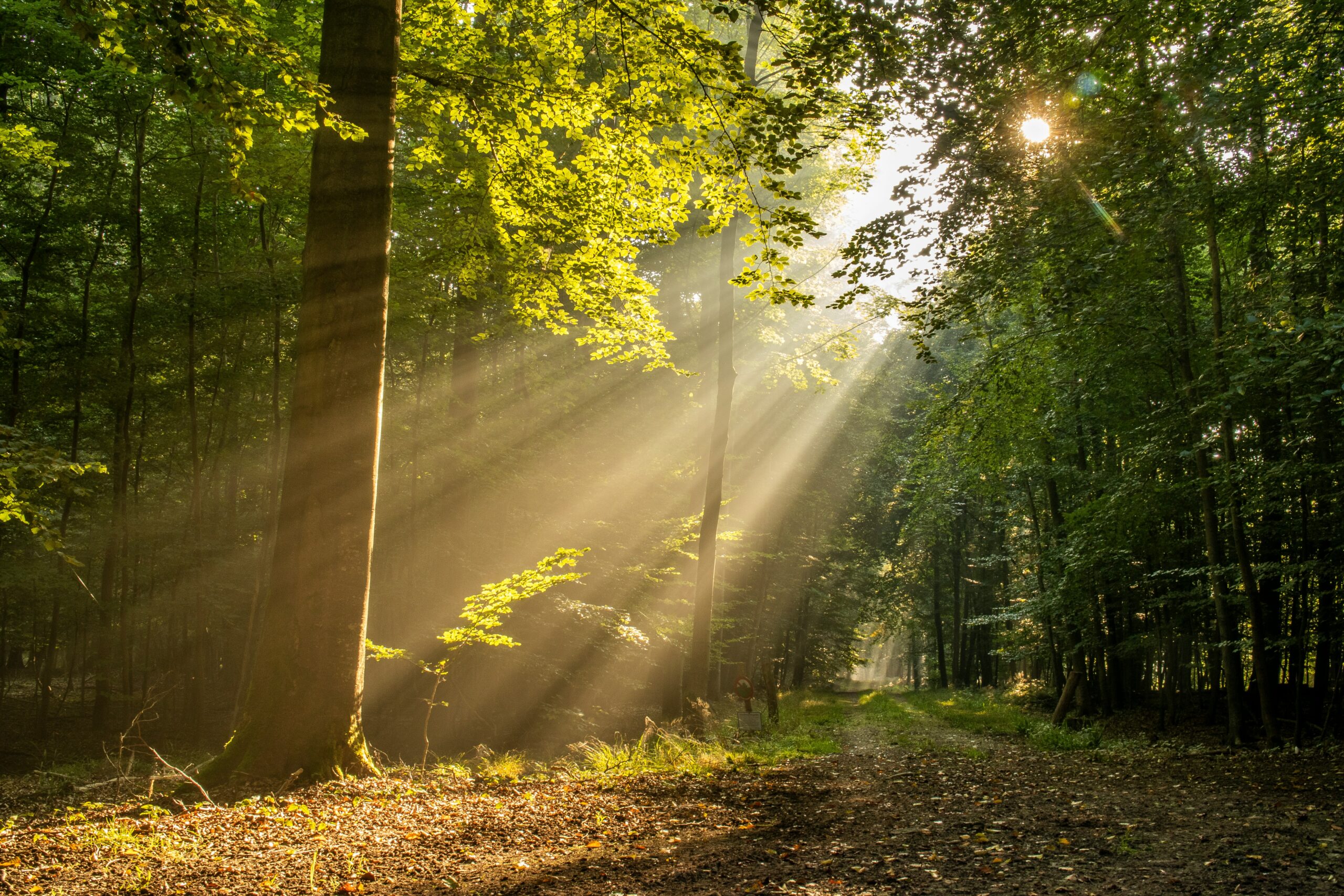
Modern life often fills each day with noise, screens, schedules, and constant demands. As a result, spiritual reflection can become difficult. However, nature creates space for silence, wonder, and thoughtful attention. Developing a connection with God through nature can help people slow down and recognize a deeper spiritual presence.
Nature does not require expensive retreats or distant travel. A garden, forest trail, quiet beach, or local park can provide meaningful opportunities for reflection. Moreover, observing the natural world can shift attention away from daily pressures. That change can create room for prayer, gratitude, humility, and spiritual awareness.
Why a Connection With God Through Nature Feels Meaningful
Nature surrounds people with patterns that often inspire wonder and thoughtful questions. Trees grow through changing seasons, rivers follow landscapes, and ecosystems depend on complex relationships. Therefore, spending time outdoors can encourage reflection about creation, purpose, and the source of life.
A connection with God through nature develops when observation goes beyond casual sightseeing. Instead, a person begins paying careful attention to what the natural world may reveal. A sunrise can encourage gratitude, while an old tree may inspire thoughts about endurance. Likewise, changing seasons can remind people that growth often includes periods of waiting.
This experience does not require someone to treat nature itself as God. Rather, nature can become a setting for recognizing divine presence and creative power. Consequently, the outdoors may support faith without replacing prayer, worship, Scripture, or spiritual community.
Nature Creates Space for Spiritual Awareness
Constant stimulation can make spiritual awareness harder to maintain. Phones, notifications, work demands, and entertainment often compete for attention. In contrast, natural environments can reduce these distractions and encourage greater awareness of the present moment.
Quiet attention matters because spiritual reflection requires mental space. For example, sitting beside water may help scattered thoughts become calmer. Walking through a garden can also create a steady rhythm for prayer. Therefore, spiritual connection with nature can support more intentional communication with God.
Silence also allows difficult questions to surface. People may recognize fears, hopes, doubts, or priorities they ignored during busy days. As these thoughts become clearer, prayer can become more focused and sincere. Thus, nature can support deeper self-examination alongside spiritual growth.
Seeing God in Nature Encourages Wonder
Wonder begins when people recognize that the world contains more than everyday routines. A night sky, a mountain range, a blooming flower, or a bird in flight can inspire genuine amazement. Moreover, these experiences can remind people how limited human control really is.
Seeing God in nature can turn wonder into spiritual reflection. Instead of simply admiring a landscape, a person can consider its complexity, beauty, and order. This perspective may encourage questions about creation and divine purpose. As a result, ordinary outdoor experiences can gain deeper spiritual meaning.
Wonder can also challenge excessive self-focus. Daily concerns sometimes seem overwhelming because they occupy most of our attention. However, standing beneath a vast sky can place those concerns within a wider perspective. That shift can encourage humility while strengthening trust in God.
Nature and Faith Can Strengthen Gratitude
Gratitude becomes stronger when people intentionally notice what they usually overlook. Fresh air, sunlight, rainfall, trees, and changing seasons often become ordinary background details. Yet each element supports life in important ways. Therefore, nature provides countless opportunities for practicing gratitude.
The relationship between nature and faith becomes especially meaningful when gratitude develops into prayer. Someone walking outdoors might quietly thank God for beauty, life, shelter, relationships, or another day. These prayers do not need complex language. Instead, simple and sincere gratitude can create meaningful spiritual moments.
Furthermore, gratitude can reshape how people approach everyday challenges. Problems may remain, but appreciation prevents those problems from defining the entire day. Over time, this practice can support a more balanced spiritual perspective. It can also deepen a person’s awareness of God’s gifts.
Outdoor Prayer Can Become More Intentional
Prayer sometimes becomes repetitive when it occurs in the same setting every day. Changing the environment can renew attention and create a different spiritual experience. For this reason, outdoor prayer and meditation can provide a valuable addition to established faith practices.
Walking prayer offers one practical approach. A person can choose a quiet route and connect different parts of the walk with specific prayers. For instance, one section might focus on gratitude, while another addresses personal concerns. Finally, the walk could end with prayers for family, neighbors, or the wider community.
Stillness offers another option. Sitting quietly under a tree or near water can create time for listening rather than constant speaking. Therefore, outdoor prayer can become a two-way spiritual practice. It creates space to express concerns while remaining attentive to insight, conviction, and peace.
Nature Can Teach Patience and Trust in God
Natural growth rarely happens instantly. Seeds need time to germinate, trees require years to mature, and seasons change according to steady cycles. Consequently, nature offers a powerful lesson about patience. Not every meaningful process produces immediate results.
This lesson can influence a person’s connection with God through nature during uncertain periods. People often want quick answers to prayers or immediate clarity about difficult decisions. However, natural processes show that growth can continue even when progress remains invisible.
Trust develops when people accept that they cannot control every outcome. A gardener can prepare soil and provide water, but growth still follows its own process. Similarly, faith often involves responsible action combined with patient trust. Nature makes that principle visible in practical ways.
Spending Time in Nature Can Encourage Humility
Modern culture often celebrates control, speed, achievement, and personal influence. Nature offers a different perspective. Oceans remain powerful, weather changes unexpectedly, and ecosystems operate beyond individual control. Therefore, time outdoors can remind people of human limits.
Humility does not require thinking poorly of oneself. Instead, it involves understanding one’s place within something greater. Finding God in nature can strengthen this perspective by directing attention beyond personal ambitions. As a result, spiritual priorities may become clearer.
Humility can also improve prayer. Rather than approaching God only with demands, a person may become more willing to listen and reflect. Moreover, recognizing personal limits can make trust more meaningful. Nature can reinforce this attitude through experiences that reveal both human vulnerability and the scale of creation.
Caring for Creation Can Become a Spiritual Responsibility
A deeper appreciation for nature can also influence one’s sense of personal responsibility. If someone views the natural world as God’s creation, environmental care can gain spiritual significance. Therefore, faith may shape how people use resources and interact with their surroundings.
Caring for creation can begin with simple, consistent decisions. Reducing unnecessary waste, protecting local habitats, and treating animals responsibly can reflect respect for life. Likewise, gardening can help people understand the effort required to nurture living systems.
However, environmental responsibility should involve more than temporary emotion. Thoughtful stewardship requires discipline, knowledge, and long-term commitment. In this way, nature and faith can influence practical behavior. Spiritual appreciation becomes stronger when it leads to responsible action.
Building a Consistent Spiritual Practice Outdoors
A meaningful connection with God through nature usually grows through consistency rather than occasional dramatic experiences. Regular outdoor reflection can become part of a healthy spiritual routine. Even ten quiet minutes can create valuable space for prayer and awareness.
Choose an accessible place that supports focused reflection. A backyard, balcony garden, neighborhood trail, or park can work well. Then, remove unnecessary distractions whenever possible. For example, silence phone notifications and spend several minutes simply observing the surroundings.
Next, connect observation with a spiritual practice. You might pray, read a short Scripture passage, journal, or practice gratitude. Additionally, consider one question during each session. Asking what nature reveals about patience, provision, beauty, or renewal can deepen reflection.
Consistency matters more than finding the perfect location. Therefore, create a schedule that fits naturally into daily or weekly life. Over time, familiar outdoor spaces may develop strong spiritual meaning. They can become places associated with prayer, clarity, gratitude, and renewed faith.
Let Creation Point Your Attention Toward God
Nature can become more than scenery when people approach it with attention and spiritual purpose. Its beauty can encourage wonder, while its rhythms can teach patience. Furthermore, its scale can inspire humility and place everyday concerns within a wider perspective.
A connection with God through nature grows when observation leads to prayer, gratitude, reflection, and responsible action. Natural surroundings cannot replace the wider practices of a healthy spiritual life. However, they can provide a powerful setting where those practices become more focused.
The natural world invites people to slow down and notice what hurried living often hides. A sunrise can become an invitation to gratitude. A quiet forest can create space for prayer. Likewise, each season can remind us that growth, change, waiting, and renewal remain meaningful parts of life.