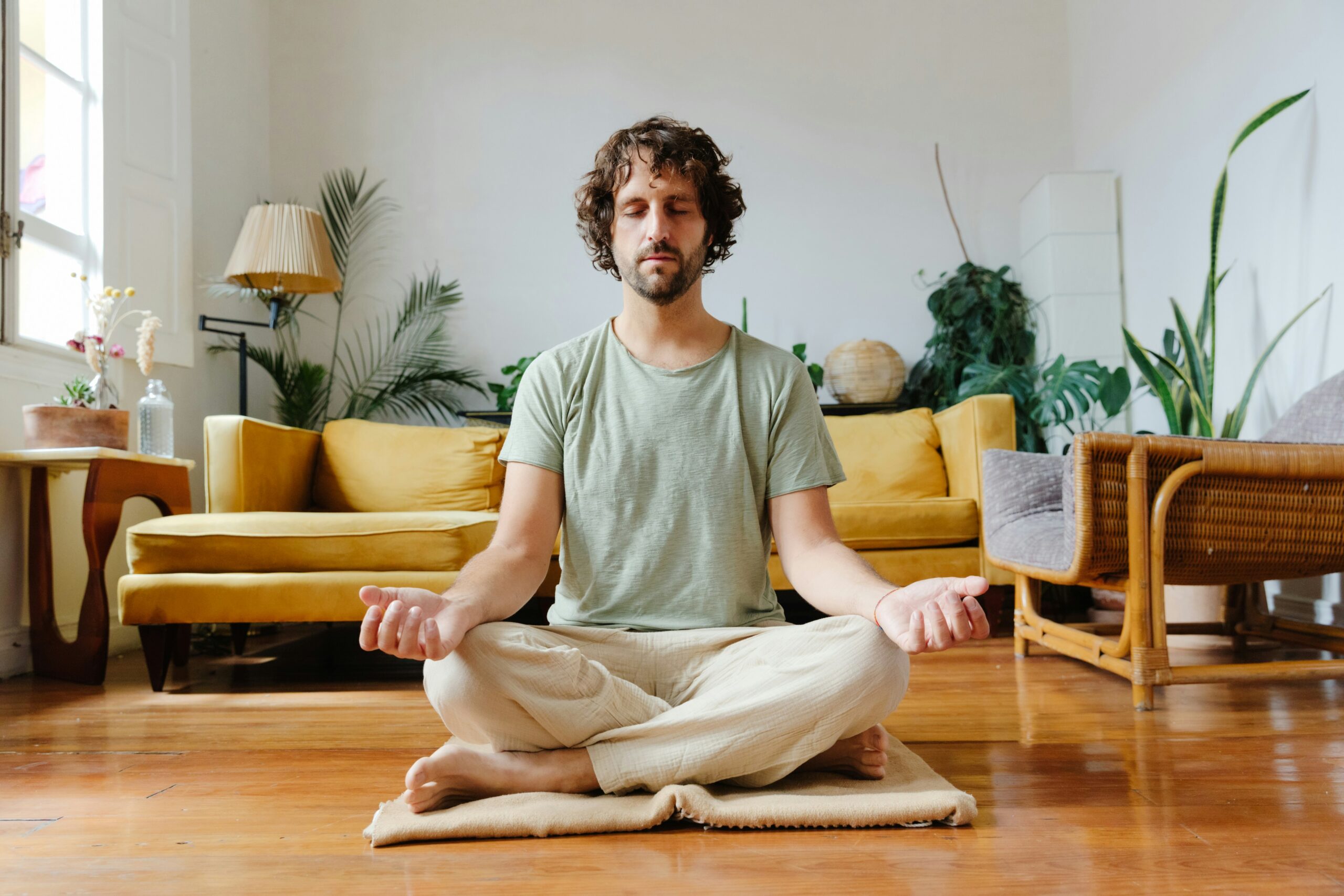
The transition from competitive sports to everyday life often challenges former players both physically and mentally. Many individuals experience stiffness, reduced activity levels, and a loss of structured training routines. As a result, they search for effective ways to stay active while protecting their bodies.
Yoga offers a powerful solution because it combines flexibility, strength, and mindfulness in a balanced approach. Furthermore, this practice supports long-term wellness and helps former competitors maintain a healthy lifestyle. Over time, consistent sessions improve mobility, reduce stress, and create a renewed sense of purpose beyond competition.
Restoring Flexibility and Joint Health
After years of intense training, many former competitors struggle with tight muscles and limited range of motion. Repetitive movements and high-impact activities often leave lasting effects on joints and connective tissues. However, stretching through controlled poses helps restore flexibility and encourages smoother movement patterns. As the body adapts, stiffness gradually decreases, allowing individuals to move with greater ease.
In addition, gentle mobility work reduces strain on aging joints and supports long-term function. This benefit becomes especially important as physical demands change after retirement. By practicing regularly, individuals improve posture and alignment, which helps prevent discomfort during everyday activities. Therefore, flexibility training remains a key factor in maintaining physical independence.
Supporting Muscle Recovery and Balance
During active careers, athletes often push their bodies to extreme limits, which can lead to imbalances between muscle groups. Over time, these imbalances increase the risk of injury and reduce overall performance. A structured routine helps address these issues by strengthening underused muscles while releasing tension in overworked areas.
Moreover, controlled movements promote better coordination and stability. This improvement enhances body awareness and reduces the likelihood of falls or strain. As strength becomes more evenly distributed, individuals regain confidence in their physical abilities. Consequently, balanced muscle development supports safer and more efficient movement patterns.
Promoting Long-Term Cardiovascular Health
Although high-intensity training decreases after competitive careers, maintaining heart health remains essential. Low-impact movement combined with steady breathing supports circulation and improves oxygen flow throughout the body. This process helps maintain cardiovascular function without placing excessive stress on joints.
Furthermore, consistent sessions encourage healthier daily habits, including better posture and controlled breathing patterns. These changes contribute to overall endurance and energy levels. Over time, individuals experience improved stamina and reduced fatigue, which enhances quality of life.
Enhancing Mental Clarity and Emotional Stability
Competitive sports demand intense focus and mental discipline, yet retirement can leave a noticeable gap in structure and motivation. Many professional athletes face stress, identity shifts, or difficulty adjusting to new routines. Mindful breathing and controlled movement provide a calming effect that helps regulate emotions and improve concentration.
At the same time, consistent practice encourages self-reflection and mental resilience. Individuals learn to stay present and manage stress more effectively. This shift creates a sense of stability during life transitions. As a result, emotional well-being improves alongside physical health.
Encouraging Sustainable Fitness Habits
Many retired competitors struggle to maintain consistent exercise routines without structured schedules. However, flexible and adaptable practices make it easier to stay active. Sessions can be modified based on ability level, making them accessible for individuals at different stages of recovery or fitness.
In addition, the variety of movements prevents boredom and keeps routines engaging. This adaptability encourages long-term commitment, which plays a crucial role in maintaining health. Therefore, sustainable fitness habits become easier to build and maintain over time.
Reducing Risk of Chronic Pain and Injury
Years of physical strain often lead to chronic pain, especially in the back, knees, and shoulders. Controlled stretching and strengthening exercises help alleviate discomfort by improving alignment and muscle support. As tension decreases, pain levels often become more manageable.
Additionally, improved body awareness allows individuals to recognize early signs of strain before they develop into serious injuries. This proactive approach helps prevent setbacks and supports long-term mobility. Consequently, individuals can remain active without risking further damage.
Improving Breathing and Energy Levels
Efficient breathing plays a vital role in overall health, yet many individuals overlook its importance after leaving competitive environments. Structured breathing techniques increase lung capacity and improve oxygen delivery throughout the body. This process enhances both physical and mental performance.
At the same time, improved breathing supports relaxation and reduces fatigue. Individuals often notice higher energy levels throughout the day, which allows them to stay productive and engaged. As breathing becomes more controlled, overall vitality continues to improve.
Strengthening Mind-Body Connection
During competitive years, performance often takes priority over internal awareness. However, developing a deeper connection between mind and body becomes essential after retirement. Controlled movements encourage individuals to focus on how their bodies feel rather than how they perform.
This awareness leads to better movement patterns and improved coordination. In addition, it helps individuals make smarter decisions about their physical activity levels. As a result, the connection between mental focus and physical movement becomes stronger, supporting overall well-being.
Supporting Personal Growth Beyond Competition
Life after sports offers new growth opportunities, yet adjusting to this phase can feel challenging. A consistent routine provides structure while encouraging personal development. Individuals often discover new goals that focus on health, balance, and self-improvement rather than competition.
Moreover, this journey promotes a positive mindset and long-term perspective on wellness. As individuals continue practicing, they build confidence and resilience in new ways. Ultimately, this approach supports a fulfilling lifestyle that extends far beyond athletic achievements.