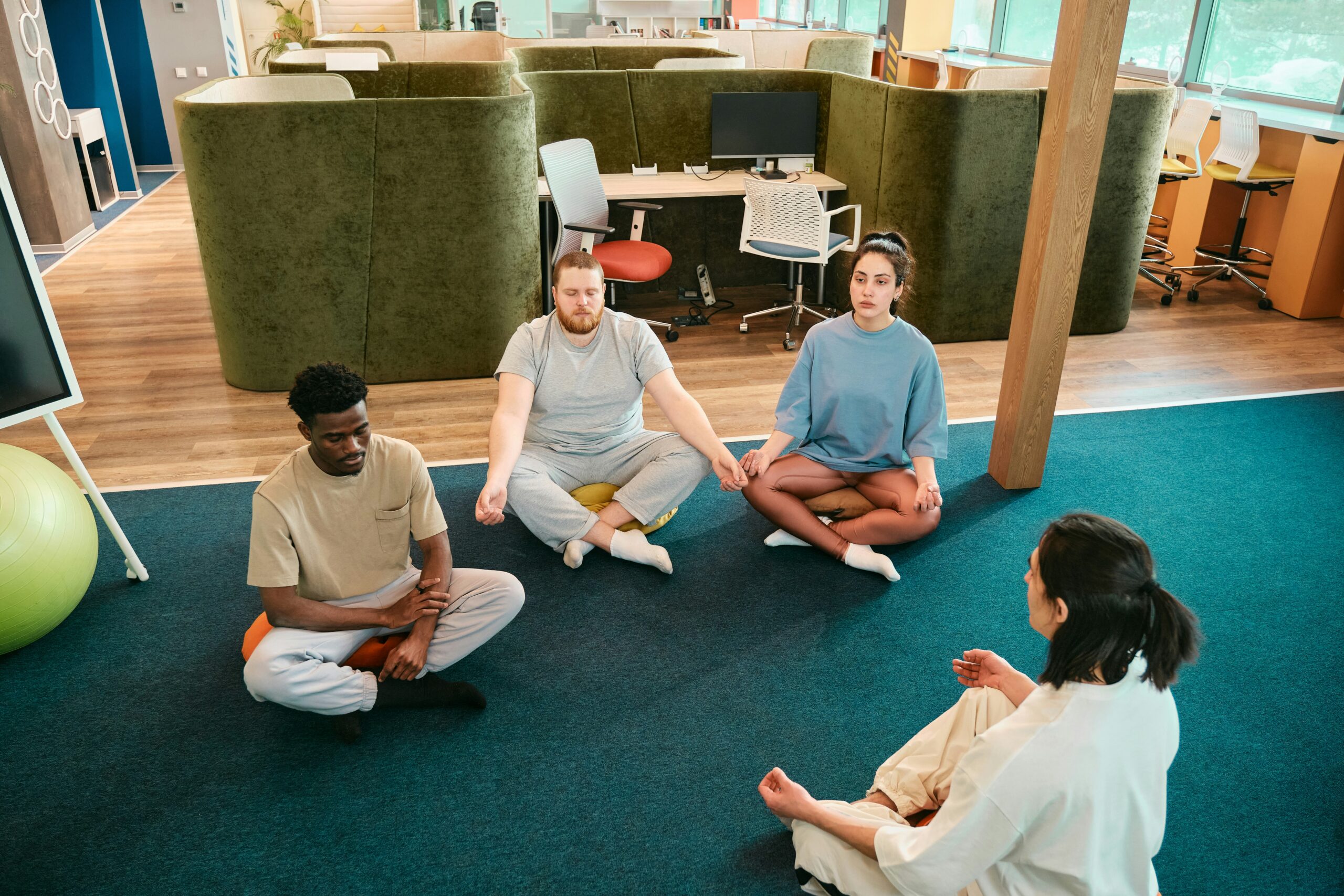
Modern technology moves at an incredible speed. Tech professionals solve complex problems, manage constant updates, and make important decisions every day. However, this fast pace often creates mental fatigue and reduces focus. Meditation for tech professionals offers a practical way to improve concentration while supporting long-term mental performance. Many developers, engineers, designers, and IT leaders now recognize that regular mindfulness practices strengthen decision-making and improve productivity.
Technology careers demand continuous learning and quick adaptation. Therefore, professionals need strategies that protect mental clarity without reducing performance. Meditation provides that balance. It trains the mind to stay present, reduce unnecessary distractions, and process information more accurately. As a result, many technology teams now include mindfulness in their workplace wellness initiatives.
Why Meditation for Tech Professionals Improves Mental Clarity
Meditation for tech professionals strengthens attention by reducing mental noise. Instead of reacting automatically to every interruption, professionals learn to pause and think carefully. Consequently, they make more thoughtful decisions during demanding projects.
The technology industry rewards speed, yet quality often depends on careful thinking. Meditation helps professionals recognize distractions before those distractions reduce productivity. Furthermore, consistent practice improves emotional regulation during stressful situations.
Mental clarity also supports better communication. Developers explain technical ideas more effectively when their minds remain organized. Likewise, project managers lead teams with greater confidence because they respond rather than react emotionally.
Meditation Reduces Digital Overload
Constant notifications challenge even experienced professionals. Emails, messages, meetings, and alerts compete for attention throughout the workday. Therefore, many workers experience digital overload without realizing its long-term effects.
Meditation interrupts this unhealthy cycle. Even ten minutes of mindful breathing allows the brain to recover from continuous stimulation. As a result, professionals return to work with renewed attention and stronger concentration.
Digital overload often creates decision fatigue. However, meditation restores cognitive balance by encouraging focused awareness. This simple habit helps professionals prioritize tasks more effectively, rather than constantly switching between responsibilities.
Better Focus Leads to Better Technical Decisions
Software development, cybersecurity, cloud computing, and data analysis all require precise thinking. Small mistakes often create significant consequences. Therefore, focused attention becomes one of the most valuable professional skills.
Mindfulness in technology helps individuals notice important details while filtering unnecessary information. Consequently, professionals spend less time correcting avoidable errors. They also approach difficult challenges with greater patience.
Better focus encourages creative problem-solving. Instead of forcing immediate answers, meditation creates mental space for innovative thinking. Many successful technology leaders value this quiet reflection because it supports stronger strategic planning.
Meditation Supports Problem-Solving Under Pressure
Technology environments frequently involve tight deadlines and unexpected challenges. Systems fail, security incidents occur, and customer expectations continue to increase. Therefore, professionals need reliable methods for maintaining calm during stressful moments.
Meditation improves emotional awareness without suppressing natural emotions. Instead, practitioners recognize stress before it controls their behavior. As a result, they evaluate situations with greater objectivity.
Clear thinking becomes especially valuable during emergencies. Calm professionals identify priorities faster and communicate solutions more effectively. Moreover, teams benefit when leaders demonstrate steady decision-making during difficult situations.
Improving Productivity Without Mental Exhaustion
Many professionals confuse constant activity with meaningful productivity. However, nonstop work often reduces efficiency over time. Meditation encourages intentional focus instead of endless multitasking.
Improving cognitive performance becomes easier when the brain receives regular opportunities to recover. Short meditation sessions refresh attention and reduce mental fatigue. Consequently, professionals complete important work with greater accuracy.
Productivity also improves because meditation strengthens self-awareness. Individuals recognize when concentration begins to decline. Therefore, they take healthy breaks before mistakes become more frequent.
Building Emotional Intelligence in Technology Careers
Technical expertise remains essential, yet emotional intelligence increasingly shapes career success. Strong communication, leadership, and collaboration depend on emotional awareness.
Meditation develops these skills naturally. Practitioners become more aware of their own thoughts and reactions. Additionally, they listen more carefully to colleagues during conversations.
Healthy workplace relationships support stronger innovation. Teams solve problems faster when members communicate respectfully. Therefore, meditation contributes to both personal development and organizational success.
Meditation Encourages Creative Thinking
Innovation rarely appears during moments of constant mental pressure. Instead, creative ideas often emerge when the mind feels relaxed and focused.
Stress management for developers supports creativity because lower stress allows broader thinking. Meditation reduces repetitive thought patterns that limit innovation. Consequently, professionals explore fresh perspectives when solving technical challenges.
Creative thinking also improves product design. Developers understand user needs more clearly when they approach problems with patience and curiosity. Furthermore, thoughtful innovation often creates lasting competitive advantages.
Creating a Sustainable Daily Meditation Practice
Building a meditation habit does not require major lifestyle changes. Most professionals begin with five or ten minutes each day. Consistency matters far more than session length.
Morning meditation prepares the mind before work begins. Alternatively, afternoon sessions restore focus after mentally demanding meetings. Evening practice also helps professionals disconnect from work and improve sleep quality.
Technology can support healthy meditation habits through guided applications and reminders. However, individuals should avoid treating meditation as another task to complete quickly. Instead, they should approach each session with patience and realistic expectations.
Long-term consistency produces meaningful cognitive improvements. Therefore, professionals benefit most when meditation becomes a regular part of daily life rather than an occasional activity.
The Future of Meditation for Tech Professionals
The technology industry continues to evolve rapidly. Artificial intelligence, automation, and digital transformation create exciting opportunities alongside growing mental demands. Therefore, professionals must protect their cognitive health as carefully as their technical skills.
Organizations increasingly recognize the connection between employee well-being and business performance. Meditation supports stronger decision-making, healthier workplace relationships, and more consistent productivity. Moreover, professionals who think clearly often adapt more successfully to industry change.
The future belongs to individuals who combine technical expertise with mental resilience. Meditation helps develop that balance by strengthening focus, emotional intelligence, creativity, and thoughtful leadership. As technology becomes even more complex, meditation for tech professionals will remain an effective strategy for maintaining clear thinking and sustainable career success. Likewise, practices that promote mindfulness with technology, stress management for developers, and cognitive performance and mental clarity at work will continue to support professionals who want lasting excellence in demanding digital careers.