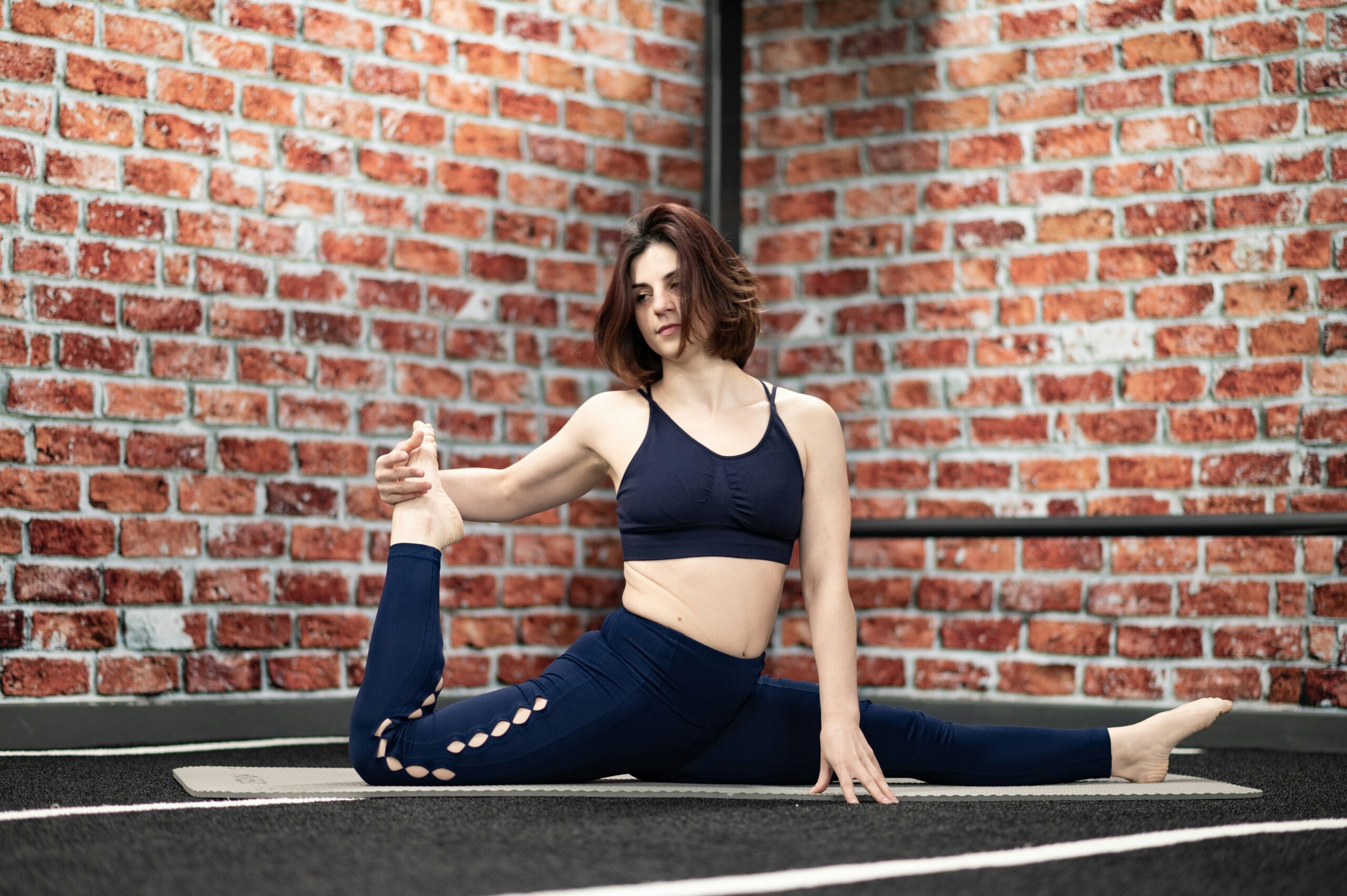
Transitioning from sports to yoga offers a powerful shift that helps athletes maintain strength, improve flexibility, and build mental focus. Many athletes spend years training their bodies for speed, endurance, and performance. However, over time, intense routines can lead to fatigue, injuries, and mental stress. As a result, athletes start looking for a sustainable way to stay active while protecting their bodies. Yoga provides that balance.
From sports to yoga, this transition does not mean losing athletic identity. Instead, it helps athletes evolve. Yoga supports recovery, enhances movement, and strengthens the mind. Because of this, many athletes now include yoga in their routines or fully transition into it after their competitive years.
Why Athletes Are Moving From Sports to Yoga
Athletes push their bodies hard during training and competition. Over time, this effort strains muscles, joints, and the nervous system. As athletes age or step away from competition, they often seek a gentler yet effective form of exercise. From sports to yoga, this transition gives them a chance to stay active without constant impact.
In addition, yoga allows athletes to focus on long-term health. Instead of chasing performance goals, they start prioritizing well-being. This shift helps them maintain fitness while reducing the risk of injury. As a result, yoga becomes a natural next step for many athletes.
Improved Flexibility and Mobility
Flexibility often gets less attention in many sports. Athletes may develop tight muscles due to repetitive movements and intense strength training. From sports to yoga, athletes stretch and lengthen tight areas to improve overall mobility.
Better flexibility leads to smoother movement and less joint strain. Athletes notice that daily activities feel easier and more comfortable. Over time, increased mobility helps prevent injuries and supports long-term physical health.
Stronger Muscles Through Controlled Movement
Yoga builds strength differently compared to traditional sports training. Instead of explosive movements, yoga emphasizes slow, controlled movements. From sports to yoga, athletes learn to engage muscles more deeply and with better control.
This method strengthens stabilizing muscles that often remain underused. As a result, athletes gain balanced strength across their bodies. This balance improves posture, movement, and overall physical performance.
Better Recovery and Reduced Muscle Tension
Recovery plays a key role in athletic success, yet many athletes overlook it. Intense workouts create muscle tension and fatigue. From sports to yoga, athletes are increasingly incorporating recovery into their routine.
Yoga helps release tight muscles and improves blood flow. This process speeds up recovery and reduces soreness. Athletes feel refreshed and ready for their next activity. Over time, better recovery leads to improved consistency and performance.
Enhanced Mental Focus and Clarity
Mental strength matters as much as physical ability in sports. Athletes often deal with pressure, stress, and high expectations. From sports to yoga, they shift their focus toward mindfulness and mental clarity.
Yoga teaches breathing techniques and awareness. These practices help calm the mind and improve concentration. As a result, athletes develop stronger mental focus that benefits both sports performance and daily life.
Injury Prevention and Body Awareness
Injuries can disrupt an athlete’s progress and limit long-term success. Many injuries result from poor alignment or muscle imbalance. From sports to yoga, athletes become more aware of their bodies and how they move.
This awareness helps them correct movement patterns and avoid strain. Yoga also strengthens supportive muscles around joints. As a result, athletes reduce their risk of injury and maintain better overall health.
Building a Sustainable Fitness Routine
Athletes often follow strict training schedules during their careers. After stepping away, they may struggle to maintain a routine. From sports to yoga, they find a way to stay active that’s flexible and sustainable.
Yoga adapts to different fitness levels and lifestyles. Athletes can practice at home or in a class setting. This flexibility makes it easier to stay consistent. Over time, yoga becomes a long-term habit that supports health and wellness.
Balancing Physical and Mental Well Being
Sports training often focuses on physical performance. However, mental health can take a back seat. From sports to yoga, athletes begin to balance both aspects of their well-being.
Yoga connects movement, breath, and mindfulness. This approach supports emotional stability and reduces stress. Athletes feel more balanced and in control. This balance improves their overall quality of life.
Improving Posture and Alignment
Years of intense training can affect posture and alignment. Repetitive movements may lead to imbalances in the body. From sports to yoga, athletes work on correcting these issues.
Yoga emphasizes proper alignment in every pose. This focus helps improve posture and reduce strain on muscles and joints. Over time, better alignment supports long-term health and comfort.
Supporting Long-Term Health and Longevity
Athletes often think about performance during their careers. However, long-term health becomes more important as they age. From sports to yoga, they shift their focus toward sustainability.
Yoga provides a low-impact way to stay active. It supports joint health, muscle strength, and mental clarity. This approach helps athletes maintain their fitness for years to come. As a result, they enjoy a healthier and more active lifestyle.
Strengthening Mind-Body Connection
Many athletes focus on results rather than internal awareness. This approach can create a disconnect between mind and body. From sports to yoga, athletes rebuild this connection.
Yoga encourages mindful movement and breathing. Athletes learn to listen to their bodies and respond to their needs. This connection improves both physical performance and overall well-being.