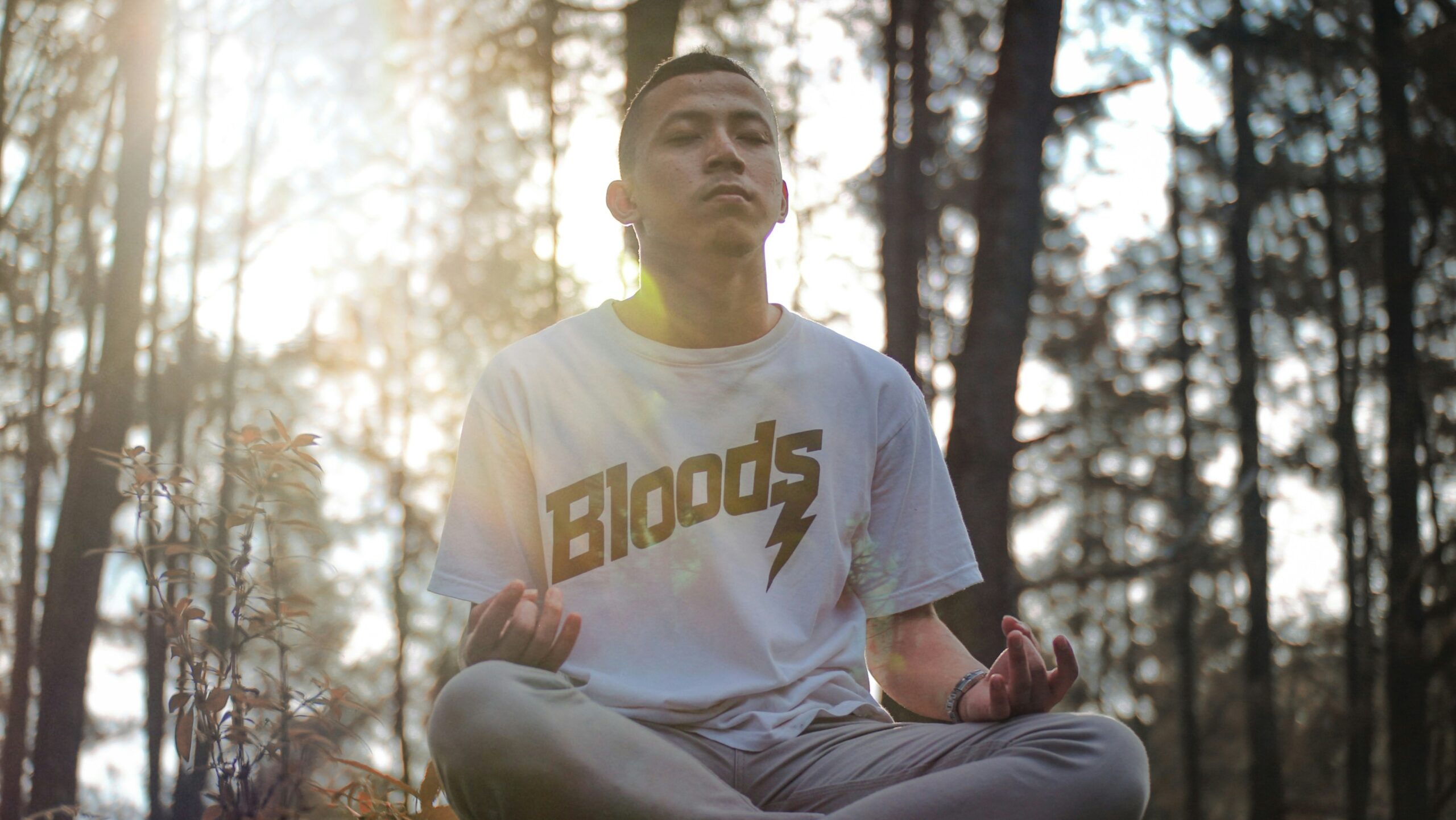
Sports are not just physical games. They test the mind, body, and emotions. Athletes in football and baseball face intense pressure, tough physical demands, and the need for constant improvement. To stay ahead, many are turning to yoga and meditation. These tools do more than stretch muscles or calm the mind. They build stronger, more focused athletes ready to perform at their best.
Yoga and meditation were once seen as slow or passive. Today, they are part of training programs for top athletes across the country. They help players move better, think more clearly, and recover faster. These practices are not about changing how athletes train. They are about adding something powerful to what they already do.
A New Way to Train the Body
Baseball and football require strong muscles, fast movements, and sharp reflexes. But they also demand control and coordination. Yoga helps athletes build these qualities. It uses slow, steady movements that challenge balance and core strength. These movements increase body awareness, so players move with better form.
This body control helps reduce injuries. When athletes know how their bodies move, they avoid mistakes that can lead to strain or stress. Yoga also improves flexibility. Flexible muscles are less likely to tear or cramp under pressure. For football players who collide at high speeds and baseball players who twist their bodies with force, this makes a big difference.
Building Mental Strength on the Field
Every game brings pressure. Players must make decisions in seconds. Focus can slip when stress takes over. Meditation trains the brain to stay calm and clear. It teaches athletes to breathe through tension and refocus after mistakes. This skill helps in key moments when clarity is most needed.
In baseball, the pause between pitches becomes a chance to reset the mind. In football, the huddle becomes a moment to slow the breath and prepare for the next play. Meditation is not about blocking out noise. It is about learning to stay focused in the middle of it. This mental strength supports better decisions and smoother reactions.
Faster Recovery and Less Downtime
Hard training takes a toll on the body. Muscles tighten, joints ache, and energy drops. Yoga helps with recovery by loosening tight areas and increasing blood flow. Stretching calmly helps tired muscles relax. It also speeds healing by allowing nutrients to move through the body more easily.
Meditation supports this recovery by easing the mind. When stress levels drop, the body repairs itself more efficiently. Sleep improves, which leads to more energy during the day. This rest is not passive. It is active healing that comes from taking care of both body and mind. Athletes who recover well train better and play harder.
Keeping Emotions in Check
Sports are emotional. Wins feel great. Losses can be crushing. Meditation gives athletes tools to handle both. It helps them respond to challenges without losing control. When things go wrong, they learn to pause rather than panic. When things go well, they stay grounded and focused.
This emotional balance helps with consistency. Players who stay calm perform more evenly. They are less likely to get rattled by a bad play or carried away by excitement. This steady mindset also supports team chemistry. Athletes who manage their emotions help their teammates do the same. A calm team is often a confident one.
Improving the Little Things That Matter
In sports, small changes lead to big results. A slightly faster reaction. A smoother throw. A better sense of timing. Yoga helps athletes fine-tune these details. It strengthens the small muscles that support big moves. It teaches control in ways that weight training often does not.
Meditation sharpens the senses. Athletes become more aware of their surroundings and their own reactions. They feel the game’s rhythm more clearly. They notice shifts in energy, in themselves and others. This awareness helps them adapt, which is a key part of staying ahead in fast-moving sports like football and baseball.
Longevity in a Demanding Career
The average pro career is short. Injuries and burnout take a toll. Yoga and meditation help extend that timeline. They give athletes tools to manage the wear and tear of daily training. Bodies stay more flexible. Minds remain more focused. Both help players keep going year after year.
Yoga reduces the pressure on joints. Meditation reduces the stress that leads to fatigue. Together, they support long-term performance. Athletes who use these tools early often stay in the game longer. They also tend to enjoy the game more. Training feels less like a grind and more like a path to improvement.
Creating a Healthier Sports Culture
When one player starts yoga or meditation, others often follow. These practices spread through teams because the results are real. Coaches notice fewer injuries. Trainers see faster recovery. Players feel more focused. This creates a culture that values balance as much as intensity.
A healthy team culture supports everyone, from rookies to veterans. It values mental strength as well as physical skill. This shift does not replace hard work. It adds to it. Athletes learn that taking time to breathe, stretch, and reflect makes them better at what they do. It builds a stronger, more resilient mindset for the whole team.
From the Mat to the Game
Athletes often say they feel a difference after starting yoga or meditation. Their bodies feel more open. Their minds feel calmer. They recover faster and move better. These changes are not just felt—they are seen in performance. The benefits reach every part of their game.
Yoga and meditation offer more than rest. They train the body and mind together. They help athletes perform at their highest level, not just once, but again and again. Whether it is a game-winning touchdown or a clutch home run, these tools give players the balance to stay ready when it matters most.
The journey of an athlete is full of effort, challenge, and constant growth. Yoga and meditation support that journey by offering a deeper kind of training. They build flexibility, focus, and emotional control. They help athletes bounce back faster and stay mentally strong through the highs and lows of competition.