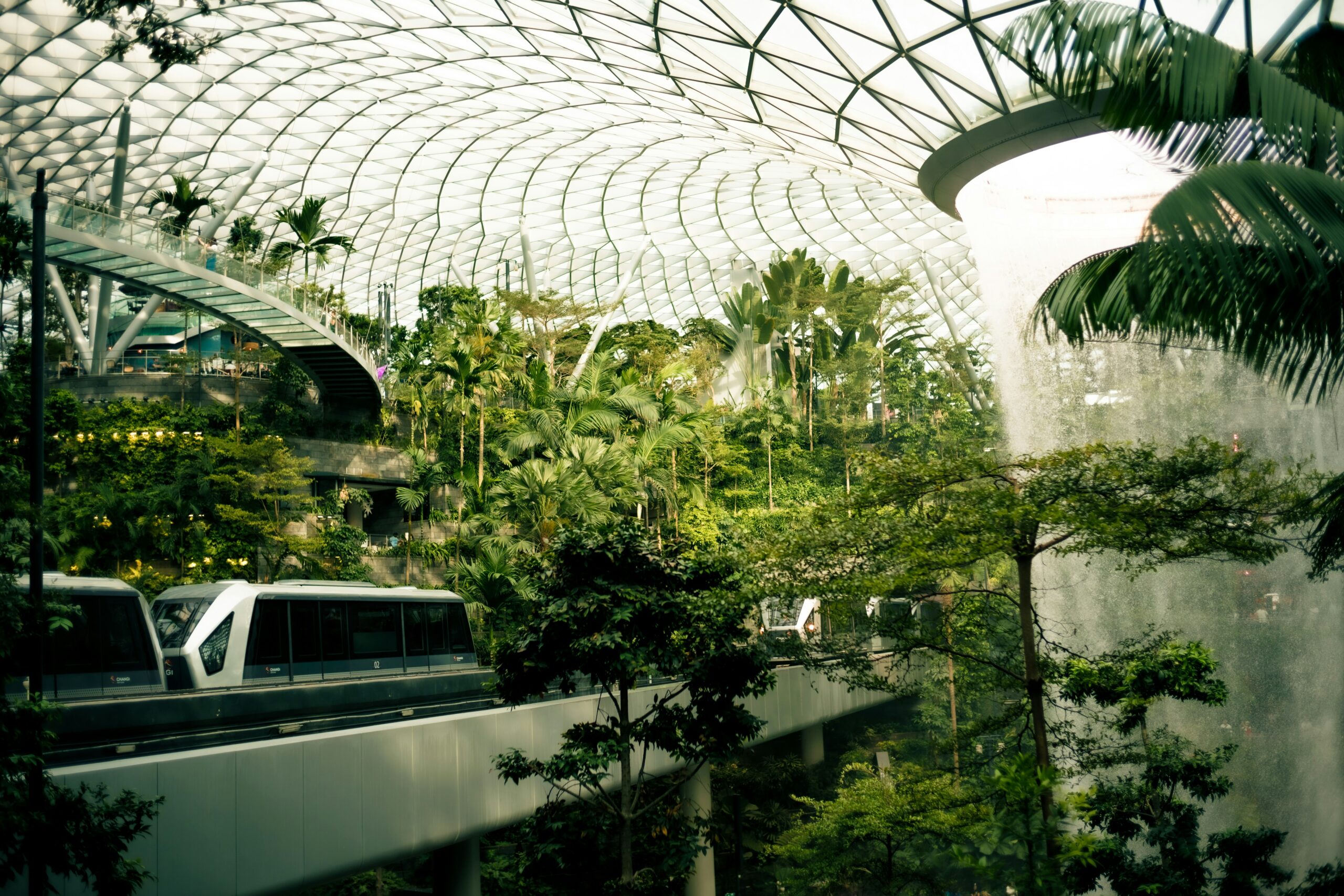
In the modern world, technology influences nearly every aspect of daily life, while nature continues to support physical health, mental clarity, and emotional balance. However, many people feel disconnected from the natural environment as screens, devices, and digital demands increase. This growing gap creates stress, fatigue, and a sense of imbalance, affecting overall well-being. Therefore, learning how to live with technology without losing touch with nature has become essential. Finding balance does not require rejecting innovation; instead, it encourages thoughtful choices that support a healthier, more sustainable lifestyle in the modern world.
Technology’s Expanding Presence in the Modern World
Technology plays a central role in the modern world by improving communication, productivity, and access to information. People rely on digital tools for work, education, and entertainment, which makes life faster and more efficient. However, constant screen exposure can reduce attention spans and limit physical movement. As a result, people often feel mentally drained despite having advanced tools at their disposal. When individuals understand how technology affects daily habits, they can make more intelligent choices that support balance.
At the same time, technology can easily dominate routines without clear boundaries. Many people check their devices immediately after waking up and continue checking them until bedtime. Consequently, rest and reflection become limited. By setting intentional limits, individuals regain control over their time and energy. Simple habits such as outdoor breaks or device-free evenings help restore focus. In the modern world, technology becomes most effective when it supports life rather than replaces real-world experiences.
The Lasting Importance of Nature in the Modern World
Nature remains a powerful source of health and stability in the modern world. Exposure to natural environments reduces stress, improves mood, and supports physical well-being. Green spaces encourage movement, while natural light helps regulate sleep patterns. Therefore, time spent outdoors improves both mental and physical health. Even brief moments in nature can create calm and clarity.
However, modern lifestyles often reduce daily contact with nature. Urban growth and busy schedules make outdoor time less frequent for many people. As a result, nature becomes something people schedule rather than experience naturally. Intentional choices help close this gap. Visiting parks, walking outdoors, or caring for plants brings nature back into daily life. These simple actions help people stay grounded and balanced in the modern world.
Technology as a Tool for Environmental Protection
In the modern world, technology offers valuable solutions for environmental challenges. Renewable energy systems, smart agriculture, and efficient transportation reduce pollution and protect natural resources. As a result, innovation supports sustainability instead of harming the planet. When industries adopt eco-friendly technology, they create growth that respects environmental limits.
Additionally, digital tools improve environmental awareness and decision-making. Data tracking systems monitor climate conditions, water quality, and wildlife activity. This information allows faster responses to ecological issues. Educational platforms also help people understand sustainable habits. When technology supports awareness and responsibility, it strengthens the connection between innovation and nature. In the modern world, progress and preservation can move forward together.
Managing Digital Overload in the Modern World
Digital overload has become a common challenge in the modern world. Constant notifications, emails, and online content compete for attention throughout the day. As a result, many people experience stress, anxiety, and reduced focus. Therefore, managing digital habits is essential for mental well-being. Awareness helps individuals recognize when technology begins to control their time.
Mindful technology use plays an important role in a modern lifestyle by creating space for balance and reflection. Turning off unnecessary alerts and limiting screen time improves attention and emotional health. Consequently, people experience deeper focus and better sleep. Families and workplaces also benefit from shared boundaries around device use. In the modern world, managing digital overload allows people to reconnect with nature, relationships, and personal well-being.
Finding Balance Between Work and Natural Living
Work culture in the modern world depends heavily on digital systems. Remote work, online meetings, and constant connectivity offer flexibility, yet they also blur personal boundaries. Therefore, balance becomes critical for long-term productivity. Regular breaks, outdoor movement, and natural light improve focus and reduce stress. These habits support healthier work routines.
Urban environments also influence balance. Cities that include green spaces support emotional health and physical activity. Technology helps design energy-efficient buildings and smart infrastructure that reduce environmental impact. As a result, cities become more livable and sustainable. In the modern world, thoughtful planning allows people to stay connected to nature even in fast-paced urban settings.
Building Sustainable Habits in the Modern World
Sustainability begins with everyday choices in the modern world. Energy use, transportation, and consumption habits all affect the environment. Therefore, awareness matters at the individual level. Digital tools help track usage and reduce waste, which encourages responsible behavior. When people understand their impact, they make better decisions.
Education also plays a key role in shaping sustainable behavior. Schools and organizations now use digital platforms to teach environmental responsibility. Consequently, awareness spreads across generations. When sustainability becomes part of daily life, communities grow stronger and more resilient. In the modern world, long-term progress depends on aligning technology, nature, and human responsibility.
Reconnecting with Nature Through Intentional Living
Intentional living helps people restore balance in the modern world. Choosing when to disconnect from technology creates space for reflection and awareness. Outdoor activities such as walking, gardening, or simply observing nature support emotional stability. These moments remind people of the value of slowing down.
At the same time, intentional living encourages healthier routines. Planning time for nature improves focus and creativity. As a result, people feel more present and fulfilled. When technology supports these choices instead of interrupting them, balance becomes sustainable. In the modern world, intentional living strengthens the connection between progress and well-being.
Creating a Balanced Future in the Modern World
The future of the modern world depends on balance rather than extremes, where technological growth advances alongside nature, which remains essential for survival and health. Therefore, thoughtful integration matters. Policies, education, and personal choices shape how these forces interact. When balance becomes a priority, progress becomes more meaningful.
Communities also play a role in shaping the future. Shared values around sustainability and mindful technology use create positive change. As awareness grows, people demand solutions that respect both innovation and the environment. In the modern world, a balanced future depends on cooperation, responsibility, and respect for natural systems.